PurrSafe guide
Cat Mesh for Condo Balconies in Singapore: What to Check
Learn what to check around a condo balcony before arranging an on-site assessment, measurement and home-specific recommendation.
By PurrSafePublished 7 min read
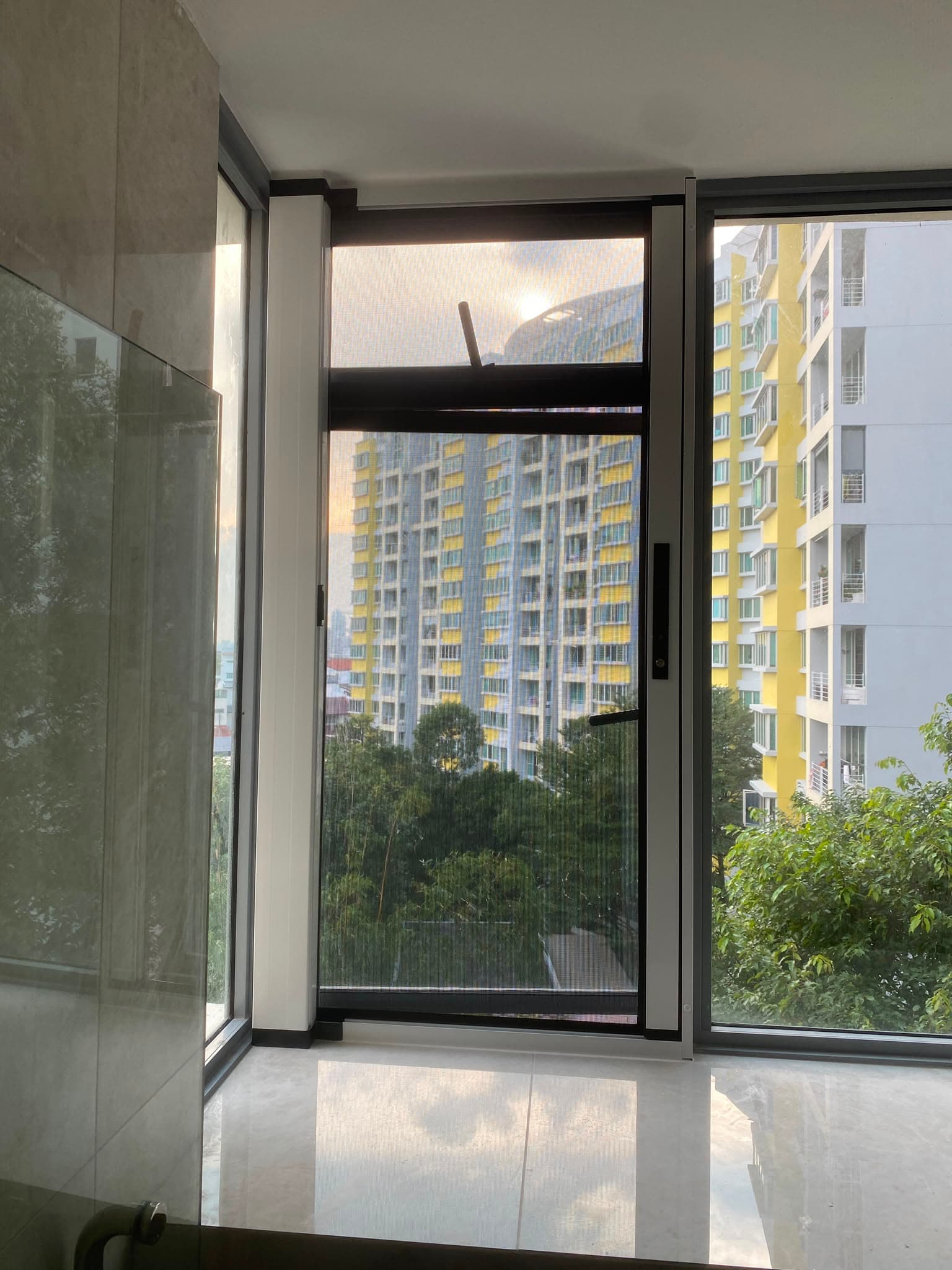
A condo balcony can be part of everyday family life, but it can also give a curious cat access to ledges, gaps and open edges. The practical risk depends on the actual space, the cat’s behaviour and how the household uses the balcony.
This guide helps Singapore homeowners organise the information that matters before requesting a recommendation. Final physical suitability, installation details and quotation must still be confirmed during an on-site assessment and measurement.
1. Map every route to the balcony
Begin inside the home and follow the route your cat could take to the balcony. Note whether a sliding door, folding door or another opening is normally left open, and whether the cat can enter without direct supervision.
Furniture can change the route. Chairs, tables, planters, storage units and cat furniture may create access to a ledge or increase the height from which a cat can investigate an edge.
- Doors and openings used for balcony access
- Furniture or planters close to edges and ledges
- Gaps beside railings, screens or dividing walls
- Routes created by shelves, storage or cat furniture
2. Observe how your cat behaves in the area
A cat that watches birds, climbs furniture, investigates gaps or walks along narrow surfaces may use the balcony differently from a cat that rarely approaches it. Kittens and active climbers may also change which areas deserve attention first.
Observe normal behaviour without encouraging the cat towards an exposed edge. Record where the cat spends time and whether balcony access happens while the household is occupied elsewhere.
3. Review the household’s daily routine
Balcony use is often linked to ventilation, laundry, plants, cleaning or relaxation. Note when doors remain open, how long access continues and who normally opens or closes the area.
A useful safety plan should reflect normal family life rather than assuming the balcony is always closed or that the cat is always supervised.
- Typical times and duration of balcony access
- Laundry, cleaning and plant-care routines
- Children, visitors or helpers operating the door
- Periods when the cat may be unattended
4. Inspect existing barriers and their condition
If a screen, grille, net or other barrier is already present, inspect its material, frame, fixings and full perimeter. Do not assume that a barrier intended for insects, privacy or general use was designed for cat safety.
Look for tears, holes, rust, sagging, loose fixings, damaged frames and edge gaps. If the age, installer or material is unknown, include that uncertainty in the professional review.
5. Consider exposure and the full balcony structure
Balconies vary in height, orientation, weather exposure, ceiling condition, railing design and surrounding structure. These factors need to be viewed together before any fixing method or system can be considered.
Photographs are useful for an initial discussion, but they cannot confirm dimensions, substrate condition or final installation suitability. Avoid assuming that a solution used at another property will suit your balcony.
6. Check property and management requirements
Condominium management and renovation requirements can differ between properties. Homeowners should confirm any applicable rules, approval process or restrictions before installation work begins.
PurrSafe can assess the physical opening and explain the proposed installation scope, while the homeowner remains responsible for confirming property-specific management requirements.
7. Prepare for the on-site assessment
Before contacting PurrSafe, take one full photo of the balcony, close-ups of relevant edges or gaps, and wider photos showing furniture and access routes. Include a short note about how your cat and household use the space.
The free Home Safety Assessment can help organise these risks first. A site visit then allows the relevant dimensions, structure, exposure and daily operation to be reviewed before suitability and quotation are confirmed.
Your next step
Find your home’s priority openings.
Send a full photo of the opening, a close-up of the frame and a wider photo of the surrounding area. PurrSafe can begin the conversation before arranging any required site visit and measurement.
Common questions
Questions about this guide
Is every condo balcony suitable for cat mesh?
No universal solution can be assumed. Balcony structure, exposure, fixing conditions, access and property requirements differ, so final suitability must be confirmed on site.
What should I photograph before contacting PurrSafe?
Send a full view of the balcony, close-ups of relevant edges or gaps, and wider photos showing doors, furniture and your cat’s likely access route. An on-site assessment may still be required.
Do I need permission from my condo management?
Requirements vary by property. Homeowners should check with their management for any applicable approval, renovation or appearance requirements before installation.
Does the assessment consider cats that climb or explore ledges?
Yes. Cat age, climbing behaviour, ledge interest, accessible openings and unattended access are considered when identifying priority areas.
Can the quotation be confirmed from photos alone?
Photos can begin the consultation, but final suitability, measurements and installation scope normally need to be reviewed at the property before a home-specific quotation is confirmed.
Continue your research
Related PurrSafe resources
PurrSafe balcony cat mesh
See how PurrSafe considers balcony access, exposure and on-site suitability.
Condo cat mesh service
Review the service approach for suitable condo windows, balconies and accessible openings.
Cat-mesh pricing
Understand why dimensions, access and installation conditions shape a home-specific quotation.
Follow PurrSafe
See installation clips, practical cat-safety tips and updates from Singapore homes.