PurrSafe guide
Insect Screens for HDB Windows: Sliding, Casement and Service-Yard Openings
Different HDB window layouts need different measurements, closing details and cleaning access. Here is what to review before requesting a quotation.
By PurrSafePublished 7 min read
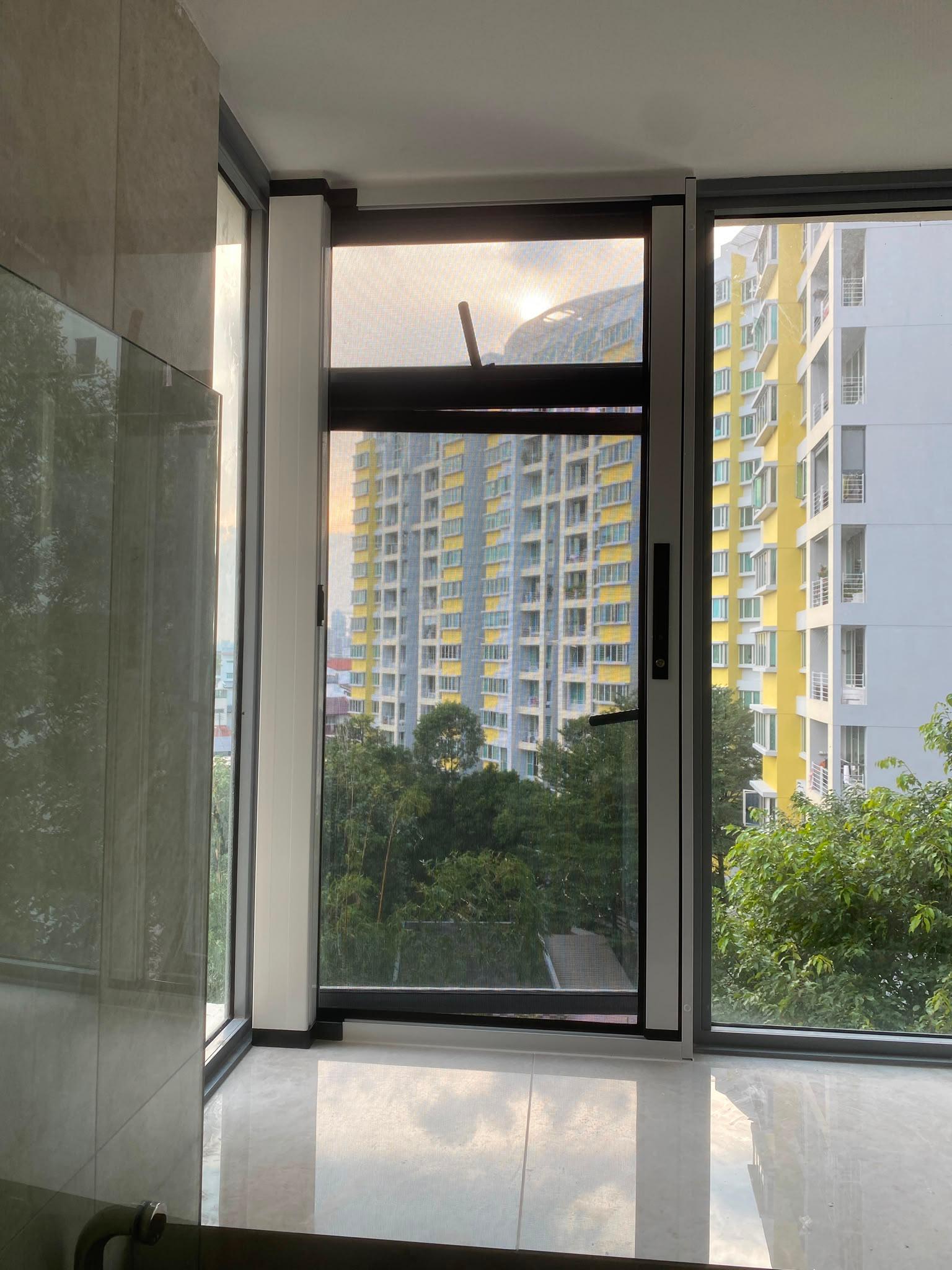
HDB flats can include sliding windows, casement windows, top-hung sections and service-yard openings within the same home. An insect screen should therefore be planned around the individual opening rather than the flat type alone.
For PurrSafe, the review also considers whether a cat can reach the window. This helps determine whether a dual-purpose pet-resistant cat and insect mesh is more appropriate than an ordinary mosquito screen.
Plan by opening, not flat type alone
The same HDB home can need several screen approaches.
Window movement, handles, tracks, surrounding furniture and room use all influence what can be measured and installed.
Review how each window opens and closes
Check room-specific ventilation routines
Confirm cat access and cleaning requirements
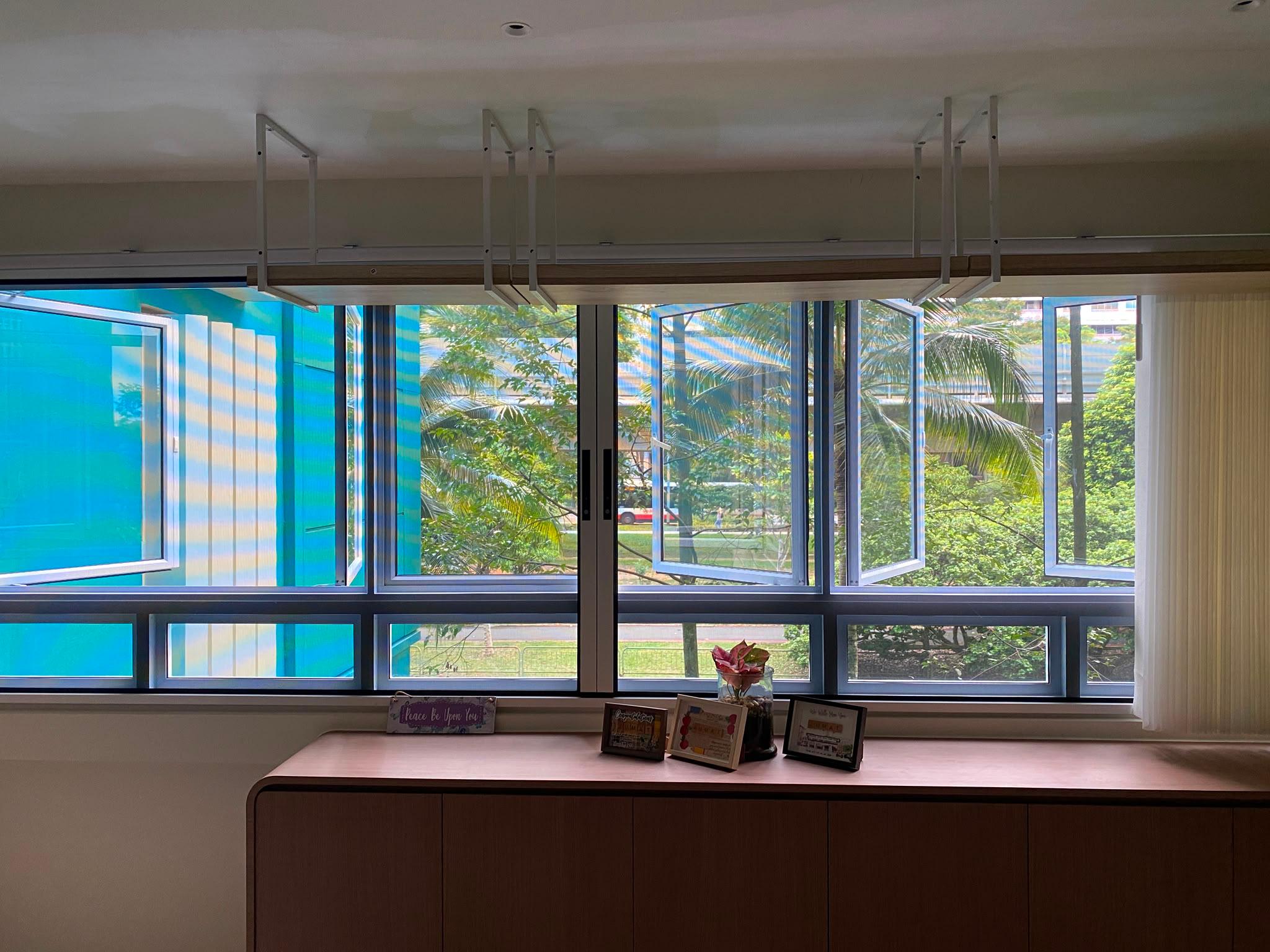
1. Start with the way the HDB window operates
Sliding and casement windows move differently and place handles, tracks and access points in different positions. The proposed insect screen must work with those parts without creating avoidable gaps or making routine operation impractical.
Send clear photos of the full opening and close-ups of the frame, handles and grilles before the site visit. Final suitability and measurements still need to be confirmed at the home.
2. Sliding windows need attention at tracks and panel junctions
A sliding-window layout may include overlapping panes, multiple tracks and hardware near the perimeter. The screen recommendation should account for how far each panel opens, which sections need access and where gaps could remain when the screen is closed.
Cleaning access also matters because dust can collect along tracks and edges in frequently used windows.
3. Casement and top-hung windows need operating clearance
Casement or top-hung windows swing or project outward, so the screen position needs to account for handles, stays and the direction of movement. The homeowner should be able to operate the window and screen as intended without forcing either system.
A site measurement confirms the available frame area and whether the proposed closing arrangement is practical for that opening.
4. Service yards, kitchens and bathrooms have different routines
Service-yard and bathroom windows are often kept open for ventilation, while kitchen openings may be exposed to moisture, dust or cooking residue. These rooms can be high-priority locations for insect screening, but they also require realistic cleaning access.
Consider laundry racks, pipes, cabinets and appliances around the opening. A wider room photo helps identify obstructions that a close-up may miss.
- How many hours the window stays open
- Whether moisture or residue builds up near the screen
- How the household reaches the window for cleaning
- Whether a cat can enter or climb within the room
5. Bedroom and living-room screens should support daily use
Bedrooms may need screening during sleeping hours, while living-room windows can be wider and opened frequently throughout the day. Airflow, natural light, outward visibility and convenient operation should be discussed together.
Prioritise the openings the household uses most rather than assuming every room must be completed in the same way at the same time.
6. Add pet-resistant protection where a cat can reach
A standard insect screen should not automatically be treated as cat protection. If a cat can reach the sill, ledge or nearby furniture, the complete screen system should be assessed for pet contact, including the mesh, frame, fixings and closing method.
PurrSafe custom measures suitable HDB openings and can recommend a dual-purpose approach that helps deter common insects while also helping keep cats safely inside.
Your next step
Find your home’s priority openings.
Send a full photo of the opening, a close-up of the frame and a wider photo of the surrounding area. PurrSafe can begin the conversation before arranging any required site visit and measurement.
Common questions
Questions about this guide
What insect screen is suitable for an HDB sliding window?
Suitability depends on the number of panels, tracks, handles, available frame area and how the household operates the window. Photos can begin the discussion, but final measurements should be confirmed on-site.
Can an insect screen be installed at an HDB service yard?
Suitable service-yard openings can be assessed. The recommendation should consider window operation, laundry use, surrounding obstructions, ventilation, cleaning access and whether a cat can reach the area.
Should I screen the bathroom or bedroom first?
Start with the windows that remain open longest or affect the household most. Room use, existing entry points, cleaning access and cat access can all change the priority.
Can one screen design fit every HDB window?
Not necessarily. Window configurations and surrounding conditions vary, even within one flat. Each suitable opening should be reviewed and measured individually.
Will HDB insect mesh also protect my cat?
Only if the complete system is intended and assessed for pet contact. Ordinary insect mesh may not resist scratching or pushing, so cat-accessible openings need a pet-resistant recommendation.
Continue your research
Related PurrSafe resources
Follow PurrSafe
See installation clips, practical cat-safety tips and updates from Singapore homes.