PurrSafe guide
Mosquito Mesh for Windows in Singapore: What Homeowners Should Check
A practical guide to window mosquito screens, room priorities, airflow, perimeter gaps and professional measurement in Singapore homes.
By PurrSafePublished 6 min read
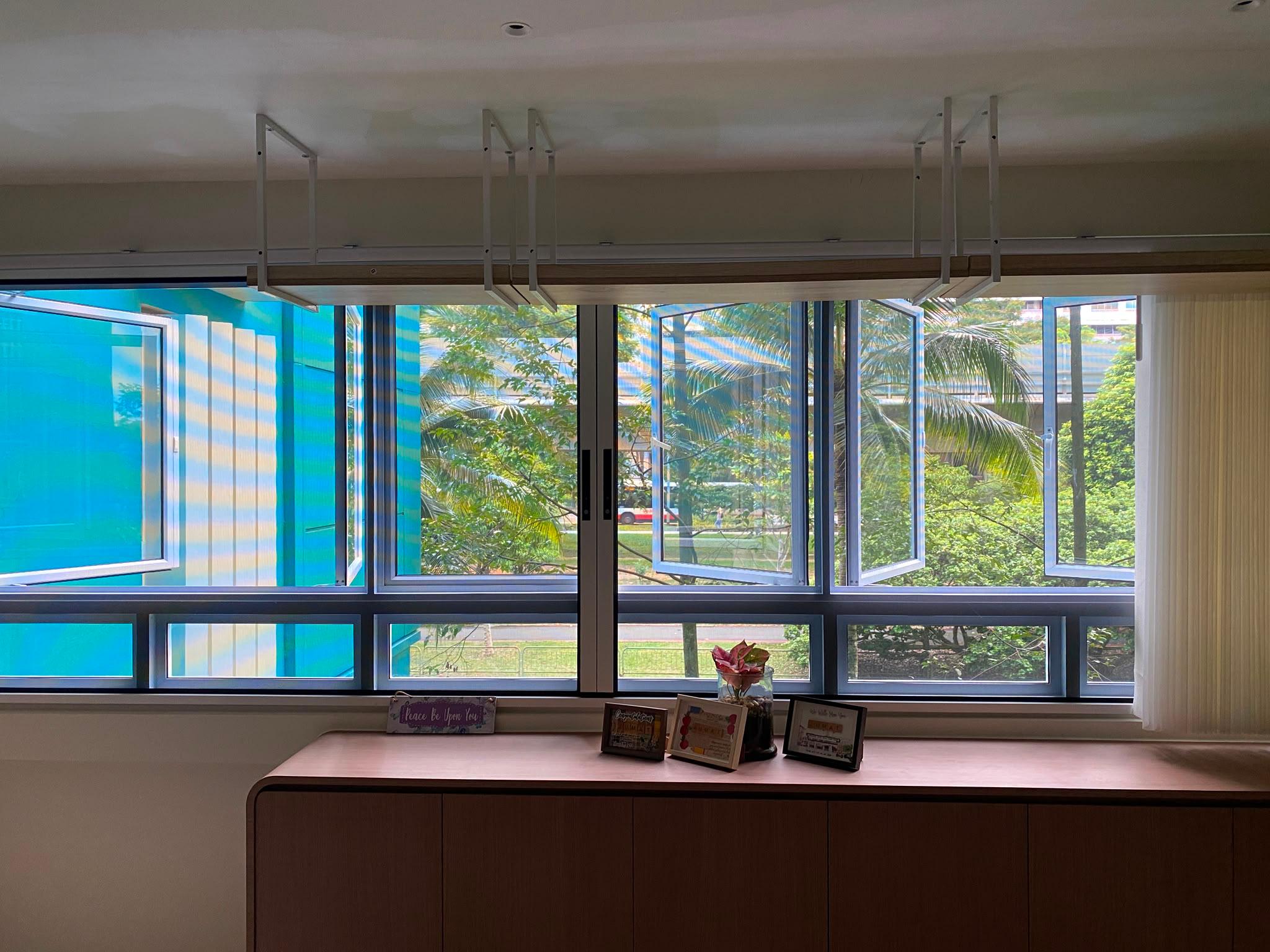
Mosquito mesh for windows can help reduce the number of mosquitoes, flies and other common insects entering through a protected opening while allowing ventilation and daylight through the screen.
The result depends on the complete window system. Mesh material, frame fit, perimeter gaps, closing position and ongoing condition all matter, especially for windows that are opened regularly in Singapore’s warm climate.
Window mosquito-screen checklist
The mesh, frame and closing position work together.
Good insect deterrence depends on continuous coverage of the opening—not simply adding mesh material near the window.
Custom measurement around the actual opening
Careful attention to edges, tracks and junctions
Regular checks for tears, looseness and misalignment
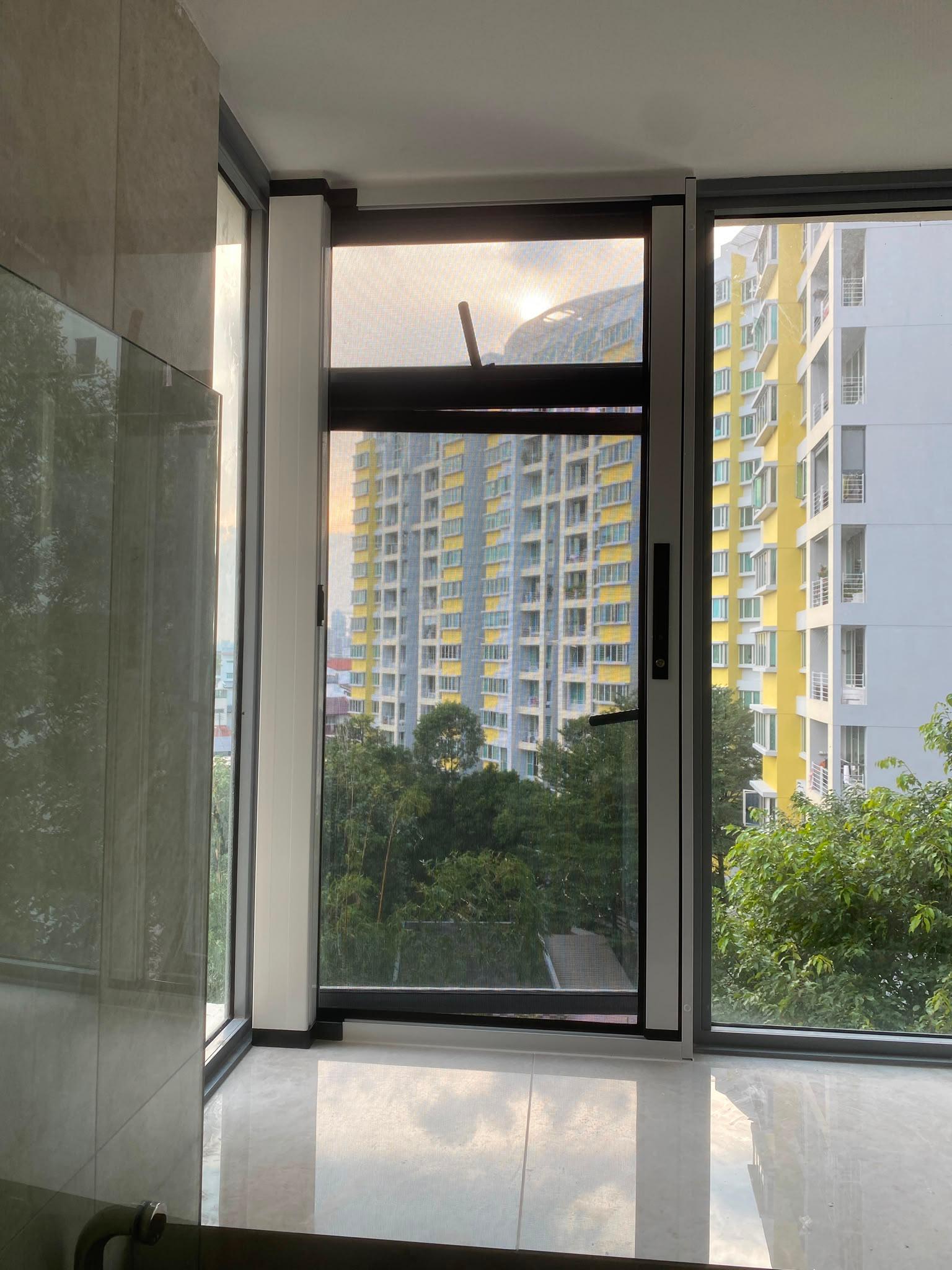
1. What window mosquito mesh actually does
A mosquito screen creates a physical barrier across a suitable window opening while the screen is fully closed. The woven mesh allows air and light through while helping deter common flying insects at that opening.
It is not a whole-home guarantee. Insects may still enter through another open door, an unscreened window or a gap elsewhere, so homeowners should review the home as a connected set of openings.
2. Why custom fit and perimeter coverage matter
A screen can only cover the space it actually closes. Gaps beside a frame, around window hardware, at track junctions or along an uneven edge may reduce insect deterrence even when the mesh itself is undamaged.
Professional measurement starts with the actual dimensions and operating method of the window rather than an assumed standard size. The proposed system should also account for handles, grilles, tracks and cleaning access.
- Check whether the screen covers the full usable opening
- Look closely at frame edges, corners and panel junctions
- Confirm that the screen closes consistently during daily use
- Inspect for tears, loose edges or alignment changes over time
3. Prioritise windows that stay open most often
Bedrooms, living rooms, kitchens, bathrooms and service yards can have different ventilation routines. Start with the windows that remain open for the longest periods or are used when the household is asleep or less likely to notice insects entering.
A room-by-room review is usually more useful than choosing only by window size. The best priority depends on opening frequency, room use and the other unscreened access points nearby.
4. Balance insect deterrence with airflow and visibility
Any woven screen can affect airflow and visibility to some degree. The practical goal is to choose a suitable system that preserves useful ventilation and natural light while providing continuous coverage when closed.
Ask how the screen will operate with the existing window, how it will be accessed for cleaning and what condition checks are recommended after installation.
5. Cat owners need more than ordinary insect mesh
Do not assume that every mosquito net or insect screen is designed to contain a cat. A pet-accessible opening should be assessed for scratching, pushing and contact, with the mesh, frame, fixings and closing system considered together.
PurrSafe’s dual-purpose approach is intended for suitable openings where homeowners want both insect deterrence and pet-resistant cat protection in one professionally measured system.
6. Use window screens as part of broader mosquito prevention
NEA includes mosquito screens among the measures residents can use to reduce mosquito bites. Screens do not replace the need to remove stagnant water, check common breeding spots and follow current public-health guidance.
Treat window screening as one practical layer: close and maintain the screen, address other open entry points and continue routine mosquito-breeding prevention around the home.
Your next step
Find your home’s priority openings.
Send a full photo of the opening, a close-up of the frame and a wider photo of the surrounding area. PurrSafe can begin the conversation before arranging any required site visit and measurement.
Common questions
Questions about this guide
Does mosquito mesh stop every mosquito from entering?
A fully closed, correctly fitted and undamaged screen helps deter mosquitoes at the protected opening. It cannot prevent entry through other open doors, unscreened windows or gaps elsewhere in the home.
Can mosquito mesh be fitted to HDB windows?
Many HDB openings can be assessed, but suitability depends on the actual window configuration, frame, dimensions, hardware and daily operation. Final measurements and recommendations should be confirmed on-site.
Will a mosquito screen block the breeze?
Woven mesh allows air and light to pass through, although every screen can affect airflow to some degree. The room, window size and household ventilation priorities should form part of the recommendation.
Is ordinary mosquito mesh safe for cats?
Do not assume so. Ordinary insect mesh may not be designed for scratching, pushing or cat containment. Pet safety depends on the complete mesh, frame, fixing and closing system.
What photos help with a mosquito-mesh quotation?
Send one full photo of the window, one close-up showing the frame and hardware, and one wider photo of the surrounding area. Include the room, home type and how often the window is opened.
Continue your research
Related PurrSafe resources
Insect mesh Singapore
Explore PurrSafe’s custom-measured insect-mesh service and quotation process.
Insect screens for HDB windows
Review practical considerations for common HDB window and room layouts.
Clean and maintain insect mesh
Learn what to inspect while cleaning the mesh, frame and closing system.
Follow PurrSafe
See installation clips, practical cat-safety tips and updates from Singapore homes.