PurrSafe guide
How to Cat-Proof Windows in a Singapore Home
Learn how to identify accessible windows, check existing protection and plan around your cat’s habits and your household routine.
By PurrSafePublished 6 min read
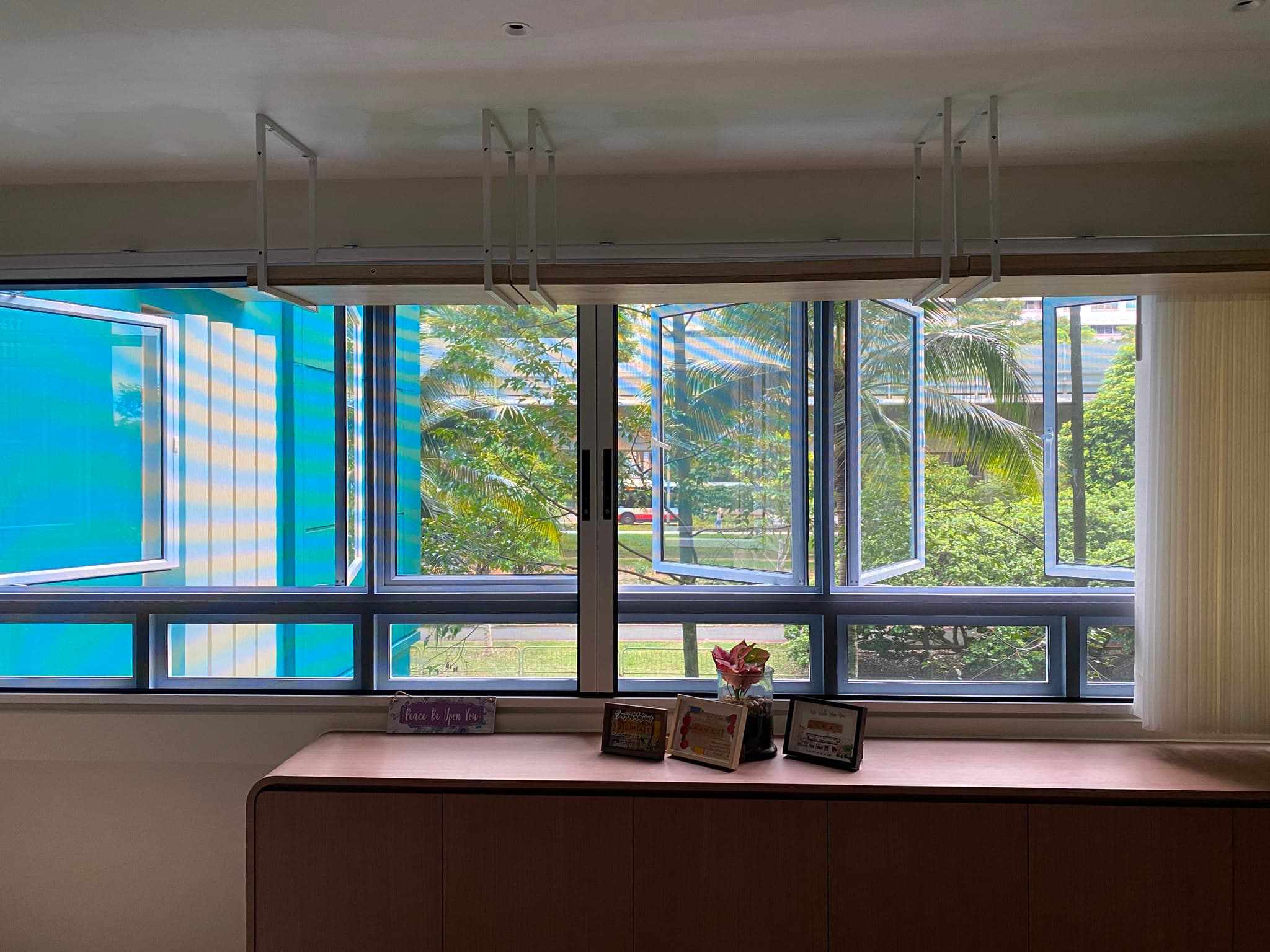
Cat-proofing is not only about choosing a material. It begins with understanding which openings your cat can reach, how those openings are used and whether existing protection is still secure.
Singapore homes can have very different window, balcony and service-yard layouts. A practical safety plan should therefore be based on the individual home, the cat’s behaviour and the family’s daily routine.
1. Start with your cat’s everyday routine
Observe where your cat spends time before deciding which opening to address first. A window that looks inaccessible may become reachable from a sofa, bed, cabinet or climbing structure.
Pay particular attention to kittens, active climbers and cats that investigate ledges or gaps. Their behaviour may make an otherwise ordinary opening a higher priority.
- Which rooms does your cat use most often?
- Which windows or doors attract your cat’s attention?
- Can nearby furniture create a route to the opening?
- Is your cat ever in that area without direct supervision?
2. Inspect every accessible opening
Walk through the home room by room. Include living-room and bedroom windows, kitchen and service-yard openings, balcony access points and any other opening your cat could approach.
Note how far each opening can open and whether a cat could reach it directly or through nearby furniture. Do not assume that the largest opening is automatically the highest-priority one; daily access and behaviour matter too.
3. Check existing mesh, screens or barriers
Existing protection should be inspected rather than assumed to be safe. Look closely at the material, frame, fixings and edges, especially where the system is handled often or exposed to weather.
- Tears, holes or frayed areas
- Rust, loose fixings or damaged frames
- Sagging material or gaps around the edges
- Wear that affects opening, closing or locking
- An installation whose age or condition is uncertain
4. Match the protection to the actual window
Window types, dimensions and operating methods vary across HDB flats, condominiums and landed homes. A solution should be measured for the specific opening and considered alongside ventilation, natural light, cleaning access and everyday operation.
An on-site assessment helps confirm whether an opening is suitable, how it should be measured and what installation approach is appropriate. Avoid relying on a standard size or a photograph alone for final specification.
5. Include the family’s routine
A strong plan also reflects how people use the home. Consider how often windows are opened, how long they remain open and whether household tasks create periods when a cat can approach without close supervision.
- Morning and evening ventilation habits
- Laundry or service-yard routines
- Cleaning and maintenance access
- Children, visitors or helpers operating windows
- Rooms used while the household is away or asleep
6. Prioritise the openings that combine access and exposure
Start with openings your cat can reach, where protection is missing or damaged, and where the household regularly leaves access unattended. This creates a more useful priority list than treating every window as identical.
PurrSafe’s free Home Safety Assessment guides you through these factors and produces clear next steps. It is an initial guide; final suitability still needs to be confirmed through an on-site inspection and measurement.
Your next step
Find your home’s priority openings.
Send a full photo of the opening, a close-up of the frame and a wider photo of the surrounding area. PurrSafe can begin the conversation before arranging any required site visit and measurement.
Common questions
Questions about this guide
Do indoor cats still need window protection?
Indoor cats may still approach open windows, balconies and service yards. The relevant question is whether the cat can access an opening and whether a suitable barrier is present and secure.
Is every Singapore window suitable for cat safety mesh?
Suitability depends on the opening, surrounding structure, operation and installation conditions. PurrSafe confirms final suitability during an on-site assessment and measurement.
What if my home already has mesh or another barrier?
Inspect it for tears, rust, sagging, loose fixings, damaged frames and edge gaps. If its condition or age is uncertain, include it in the professional review.
Can one assessment cover several rooms?
Yes. A home assessment should consider all accessible openings, then identify which areas deserve attention first based on access, condition, exposure and household routine.
Does the online assessment replace an on-site visit?
No. The online assessment helps organise your risks and priorities. Final suitability, measurements and quotation are confirmed on site.
Continue your research
Related PurrSafe resources
Cat mesh for windows in Singapore
See how PurrSafe assesses, measures and plans protection for suitable window openings.
Cat mesh for HDB windows
Review the window, access and household-use factors that matter in an HDB home.
Check existing cat mesh safety
Inspect older protection for tears, rust, sagging, loose fixings and edge gaps.
Follow PurrSafe
See installation clips, practical cat-safety tips and updates from Singapore homes.