PurrSafe guide
How to Check Whether Your Existing Cat Mesh Is Still Safe
Learn what to inspect in an existing cat-mesh system, when its age or condition deserves attention and when to arrange a professional review.
By PurrSafePublished 6 min read
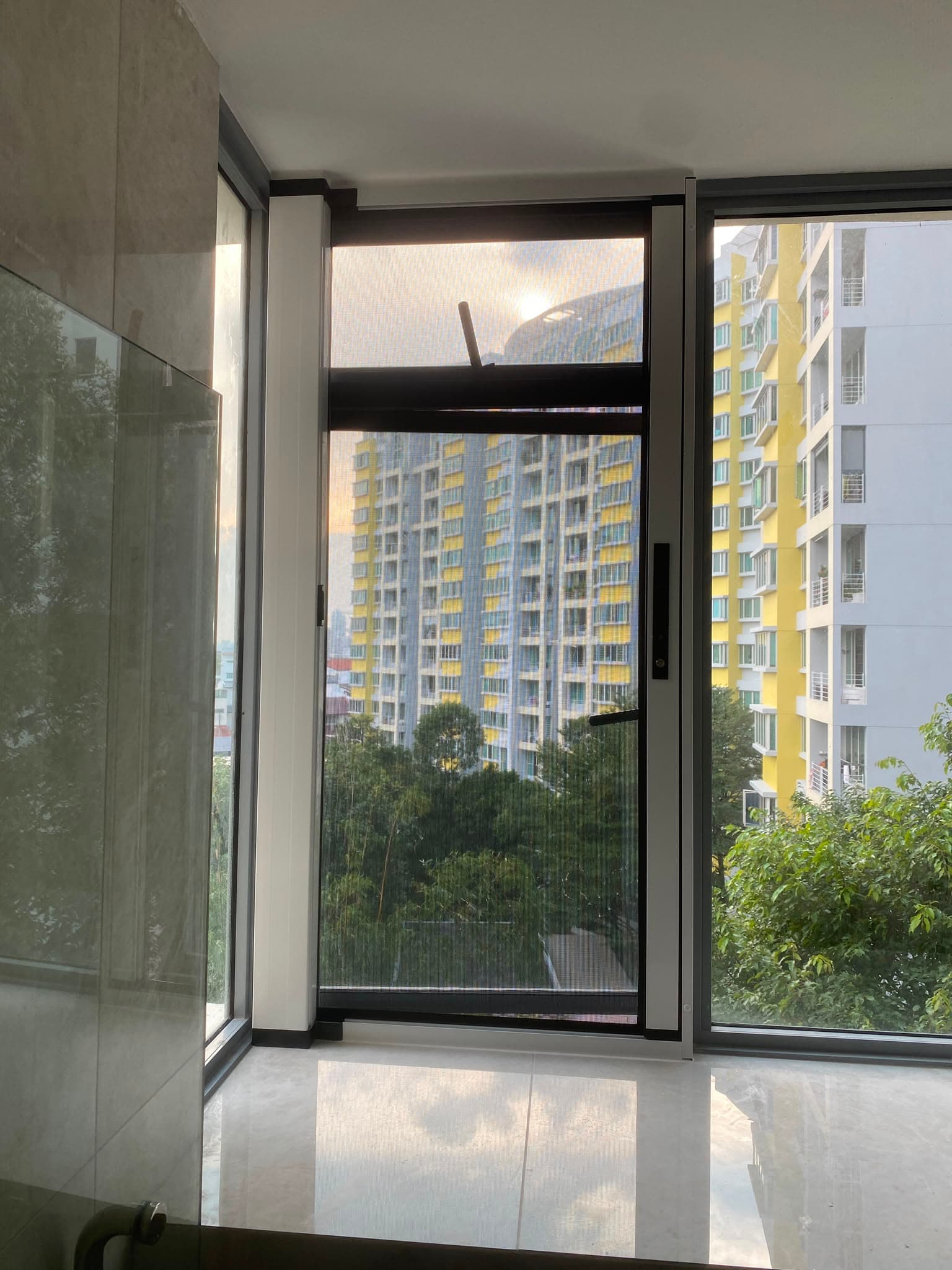
Cat mesh is part of a working home environment. It may be opened, closed, cleaned, exposed to weather and approached by a cat every day. That makes its current condition more important than how secure it looked when it was first installed.
A regular visual and hands-on check can help you notice obvious damage early. This guide explains what homeowners can look for without dismantling the system or attempting to repair structural parts themselves.
1. Begin with what you know about the system
Note when the mesh was installed, who installed it and whether any repairs or alterations have been made since then. If the age, material or installation method is unknown, treat that uncertainty as a reason for closer inspection rather than assuming the system is still suitable.
Also consider how the opening is used. A frequently operated window, a weather-exposed service yard or an area your cat visits often may deserve more regular attention than a rarely used opening.
- Approximate installation date
- Any previous repair, alteration or removal
- How often the window or door is operated
- Whether the area is exposed to sun, rain or cleaning products
- How often your cat approaches, climbs near or leans against the system
2. Look across the full mesh surface
Inspect the entire surface in good light. Do not check only the centre: damage can develop near corners, handles, seams or points that are touched regularly.
Look for tears, holes, fraying, stretched areas or material that no longer sits as it normally did. A small visible defect should not be ignored simply because the surrounding mesh still appears intact.
3. Check for sagging and unusual movement
The mesh should not appear unexpectedly loose, bowed or separated from the surrounding system. Compare all sides and corners, and look for changes in tension or alignment.
Do not perform a force test or push heavily against the mesh. A visual check and normal operation are safer ways to identify obvious changes. If the system moves, rattles or flexes differently from before, arrange a professional inspection.
4. Inspect frames, fixings and edges
The surrounding frame and attachment points matter as much as the mesh itself. Follow the perimeter and check whether the material remains properly held along every edge.
- Rust or corrosion
- Loose, missing or damaged fixings
- Cracks, distortion or damage to the frame
- Gaps between the mesh system and the opening
- Sharp or exposed parts
- Edges that have pulled away from their original position
5. Test normal window operation carefully
Open, close and lock the window or mesh system only as it is normally intended to operate. Watch for sticking, scraping, misalignment or a lock that no longer engages correctly.
Daily usability is part of the inspection. A system that is difficult to operate may be left unsecured, handled with excessive force or used differently by members of the household.
6. Review the surrounding access route
The condition of the mesh is only one part of the risk. Check whether furniture, shelves, cat trees or household changes now give your cat easier access to the opening than when the system was installed.
Pay particular attention if your cat climbs, investigates ledges, pushes at barriers or spends time near the opening without direct supervision. A change in the cat or household routine can change which area needs attention first.
7. Know when to stop using the opening and seek help
If you find a tear, hole, significant sagging, rust, a loose fixing, frame damage or an edge gap, prevent your cat from accessing the opening until the condition has been professionally assessed. Do not rely on tape, cable ties or another temporary household repair as a confirmed safety solution.
Photograph the full opening, the affected area and the surrounding frame before contacting PurrSafe. These images can begin the conversation, although an on-site visit and proper measurement may still be required before a recommendation or quotation is confirmed.
Your next step
Find your home’s priority openings.
Send a full photo of the opening, a close-up of the frame and a wider photo of the surrounding area. PurrSafe can begin the conversation before arranging any required site visit and measurement.
Common questions
Questions about this guide
How often should I inspect existing cat mesh?
Check it regularly as part of normal home maintenance and inspect it again after any impact, alteration, difficult operation or visible change. The appropriate frequency depends on exposure, usage and condition; PurrSafe does not apply one universal lifespan to every system.
Can a small tear or edge gap be ignored?
A visible tear, hole or edge gap means the system is no longer in its expected condition. Prevent cat access to that opening and arrange a professional assessment rather than assuming the defect is too small to matter.
Can I repair damaged cat mesh myself?
Avoid treating an improvised repair as a confirmed safety solution. The mesh, frame, fixings and installation method need to be considered together, so a professional should assess damage and advise whether repair or replacement is appropriate.
Does old mesh always need replacement?
Age alone does not confirm the condition of every installation. The material, exposure, operation, frame, fixings and visible wear all matter. If the installation age or specification is uncertain, include it in a professional review.
What photos should I send PurrSafe?
Send one full photo of the opening, one close-up of the affected mesh or fixing, and one photo showing the surrounding frame and access area. Final suitability may still require an on-site inspection and measurement.
Continue your research
Related PurrSafe resources
Window cat mesh in Singapore
Understand PurrSafe’s approach to accessible windows, daily operation and on-site measurement.
Cat mesh for HDB windows
Work through the practical checks for HDB window openings and household routines.
How to cat-proof windows
Build a room-by-room priority list based on your cat’s access and behaviour.
Follow PurrSafe
See installation clips, practical cat-safety tips and updates from Singapore homes.