PurrSafe guide
How to Clean and Maintain Window Insect Mesh in Singapore
Clean away dust without damaging the screen, then check the mesh, frame, edges, tracks and closing position before relying on it again.
By PurrSafePublished 6 min read
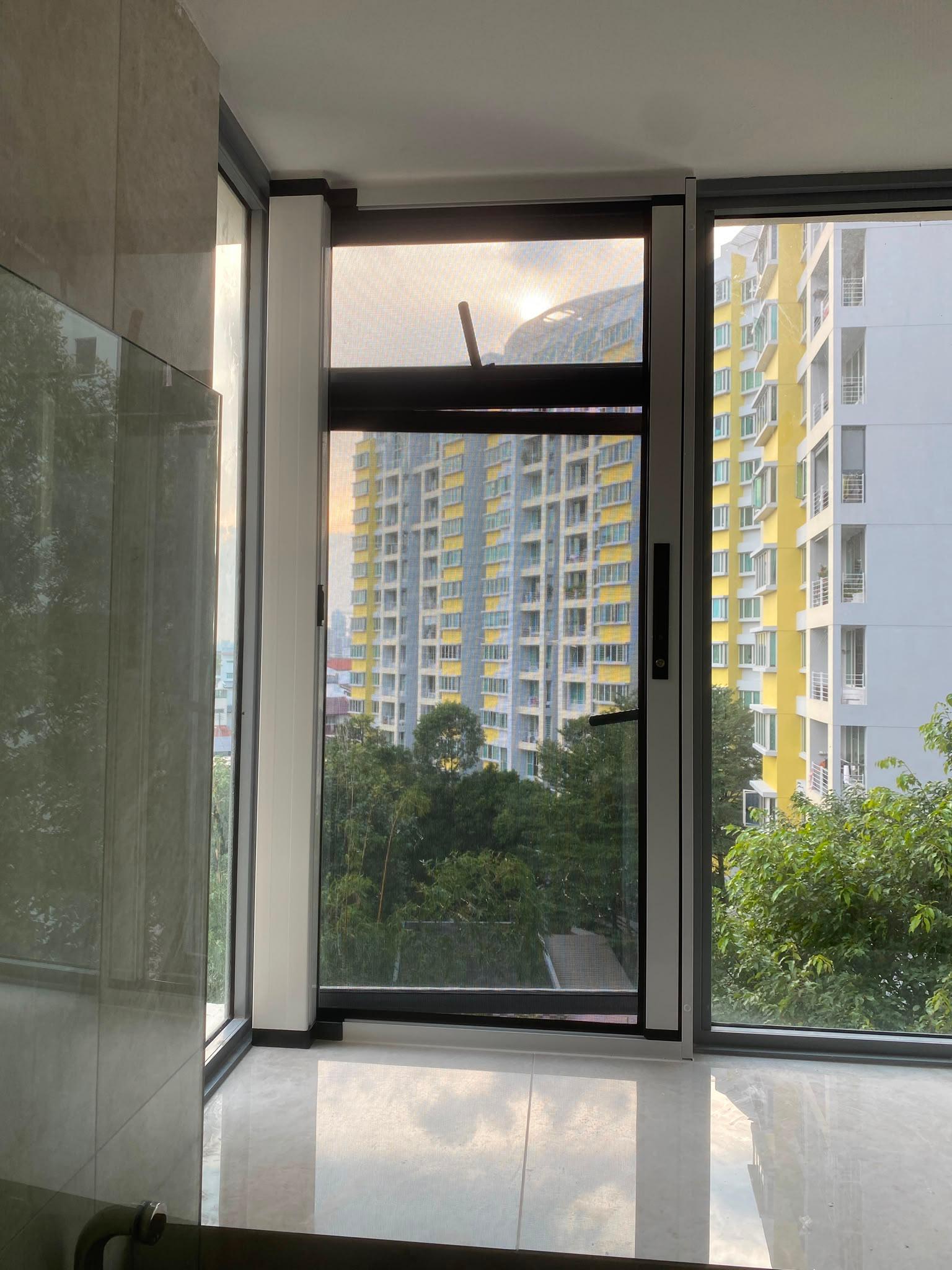
Dust and household residue can collect on window insect mesh, frames and tracks over time. Gentle routine cleaning helps preserve airflow and visibility while giving you a useful opportunity to inspect the complete screen.
Always follow the care instructions for your installed system. The steps below are general homeowner checks; they are not a substitute for professional review when a frame is loose, a screen is damaged or a cat-accessible opening no longer closes correctly.
Clean, inspect, close
Maintenance is more than wiping the mesh.
Use cleaning time to examine the full system, especially the edges, frame, tracks and closing position that affect insect deterrence and cat protection.
Remove loose dust gently before using moisture
Check edges, corners, tracks and alignment
Stop using a damaged cat-accessible opening
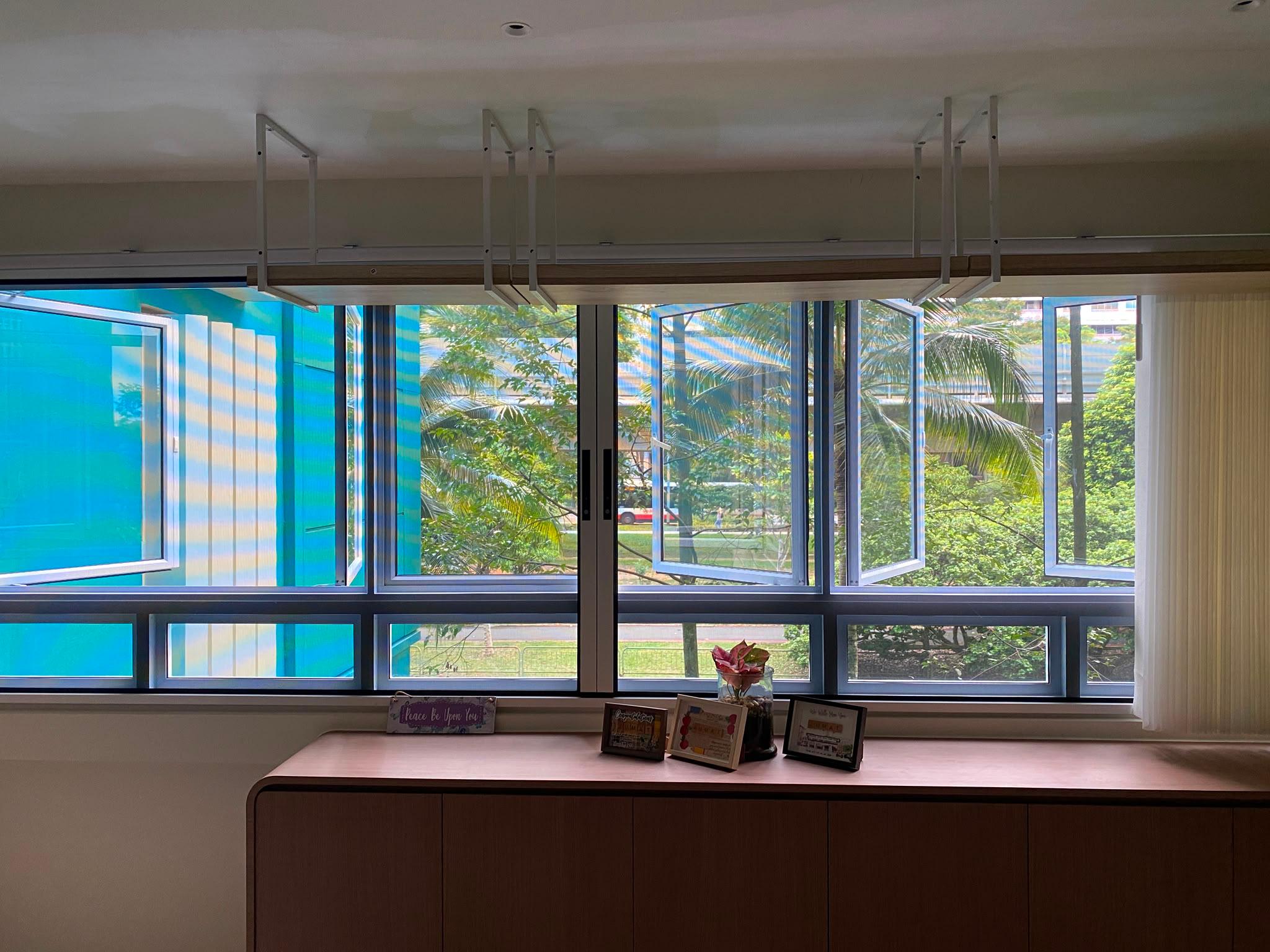
1. Begin with a dry, gentle clean
Remove loose dust with a soft brush, microfibre cloth or low-suction vacuum attachment, supporting the mesh rather than pushing hard against it. Work gradually across the surface and avoid pulling at edges or fixings.
Do not use sharp tools, abrasive pads or forceful scraping. These can damage the weave, coating, frame finish or attachment points.
2. Use minimal moisture and mild cleaning products
If the installed system’s care instructions allow damp cleaning, use a soft cloth with clean water or a small amount of mild soap. Avoid soaking tracks, locks or concealed mechanisms unless the installer has confirmed the correct method.
Harsh chemicals, solvents and high-pressure spraying may damage materials or push residue into moving parts. Let cleaned areas dry before closing or relying on the screen again.
3. Clean the frame, corners and tracks
Insect deterrence depends on more than the visible mesh. Dust or debris around a track can affect movement and closing, while buildup at corners may hide a gap or loose edge.
Wipe accessible frame surfaces gently and remove loose debris without forcing any part. If a panel becomes difficult to move, do not apply excessive pressure; arrange a review instead.
4. Inspect the complete screen while you clean
Look across the mesh in good light and run your eyes around the full perimeter. Check that the screen returns to its normal closing position and that the frame remains aligned with the opening.
- Tears, holes, fraying or stretched areas
- Loose corners, edges, fixings or seals
- New gaps beside the frame or at panel junctions
- Tracks, locks or closures that no longer operate normally
- Movement in the frame when touched gently
5. Treat pet-accessible damage as a safety issue
If the screen also protects a cat, stop the cat from accessing the opening when you find damage, looseness or unusual movement. A small defect can affect both the insect-deterrent and pet-barrier functions.
Avoid improvised patches at a cat-accessible opening. Ask for a professional assessment of the mesh, frame, fixings and closing system before relying on it again.
6. Set a routine based on the room and exposure
There is no single cleaning interval for every home. Screens near kitchens, service yards, busy roads or frequently open windows may collect residue faster than a protected bedroom window.
A simple approach is to inspect the screen whenever you clean the surrounding window and whenever operation feels different. Record damage early instead of waiting for the next scheduled clean.
Your next step
Find your home’s priority openings.
Send a full photo of the opening, a close-up of the frame and a wider photo of the surrounding area. PurrSafe can begin the conversation before arranging any required site visit and measurement.
Common questions
Questions about this guide
Can I vacuum window insect mesh?
A soft brush or low-suction attachment may be suitable for removing loose dust when used gently, but follow the care instructions for the installed system and avoid pulling or deforming the mesh.
Can I wash insect mesh with water?
That depends on the system and its moving parts. If damp cleaning is allowed, use minimal moisture and mild soap, avoid soaking mechanisms, and let the screen dry before normal use.
How often should insect mesh be cleaned?
Cleaning frequency depends on dust, moisture, cooking residue, road exposure and how often the window is open. Inspect the screen during normal window cleaning and whenever movement or closing changes.
Can I patch a small hole in cat and insect mesh?
Do not rely on an improvised patch at a cat-accessible opening. Keep the cat away and arrange a professional review because the complete barrier may need repair or replacement.
What damage should be checked professionally?
Arrange a review for tears, loose edges, frame movement, new perimeter gaps, difficult operation, misalignment or a lock or closure that no longer works normally.
Continue your research
Related PurrSafe resources
Check existing cat mesh safety
Use a broader inspection checklist for tears, looseness, rust, sagging and gaps.
Mosquito mesh for windows
Understand how frame fit, full coverage and closing position affect insect deterrence.
Materials, testing and warranty
Review PurrSafe’s published materials and warranty information.
Follow PurrSafe
See installation clips, practical cat-safety tips and updates from Singapore homes.